He Pānuitanga
nā Ngāti Tamaterā Treaty Settlement Trust
Rātū 29 Mahuru
2026 | Tuesday 29 September 2026
He kōrero nā te Heamana
A note from the Chair
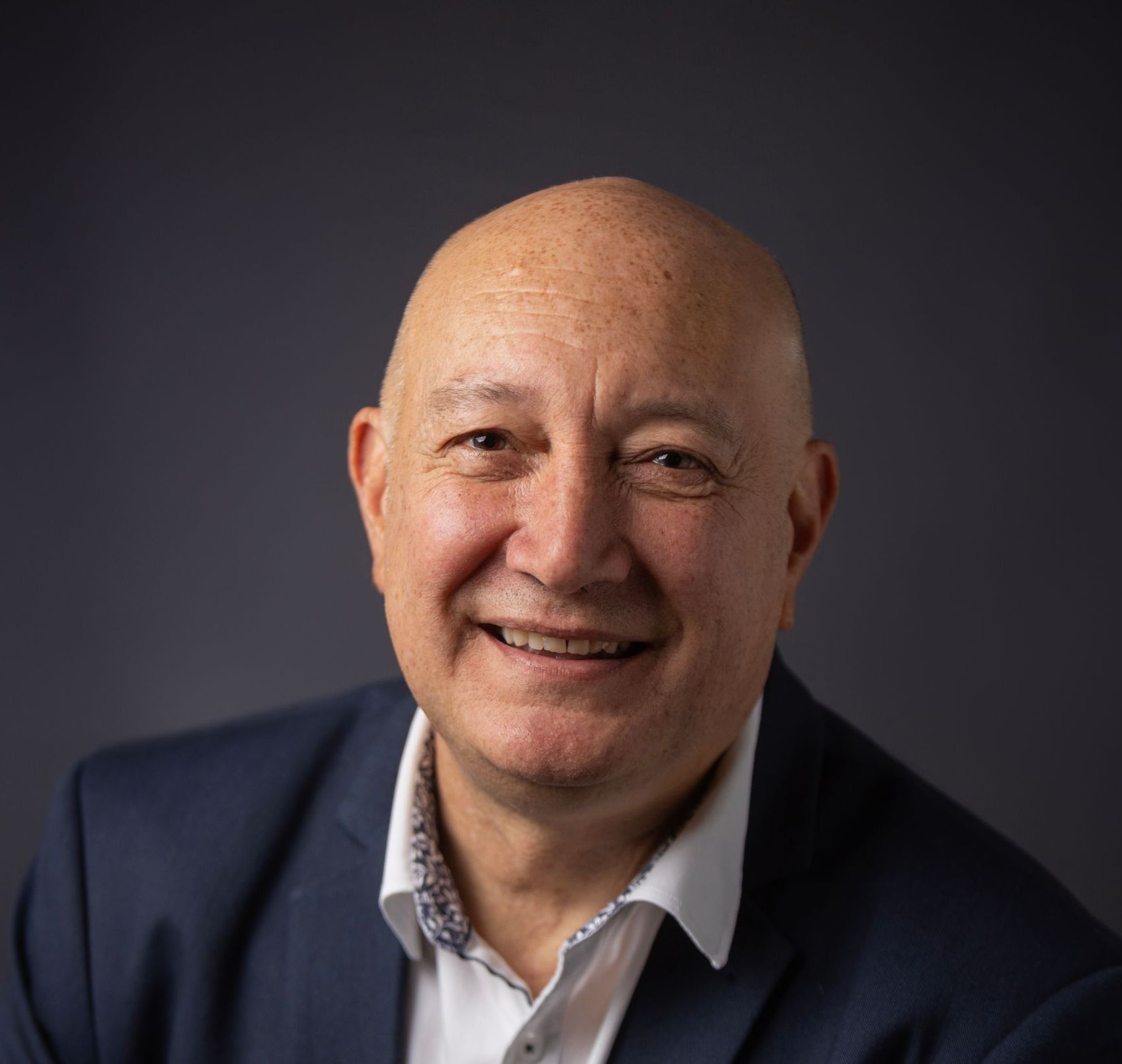
Kia ora koutou katoa,
Kua tae mai a Kōanga, spring is here, and with it the promise of new growth after the stillness of winter. In the maramataka, this is a season of planting and renewal, when the whenua begins to stir again. It feels fitting that as the land wakes up, so does our own calendar of activity for the whānau.
School holidays are upon us, and I hope this gives our tamariki and rangatahi some well-earned time to rest, play, and reconnect with whānau before the final stretch of the school year.
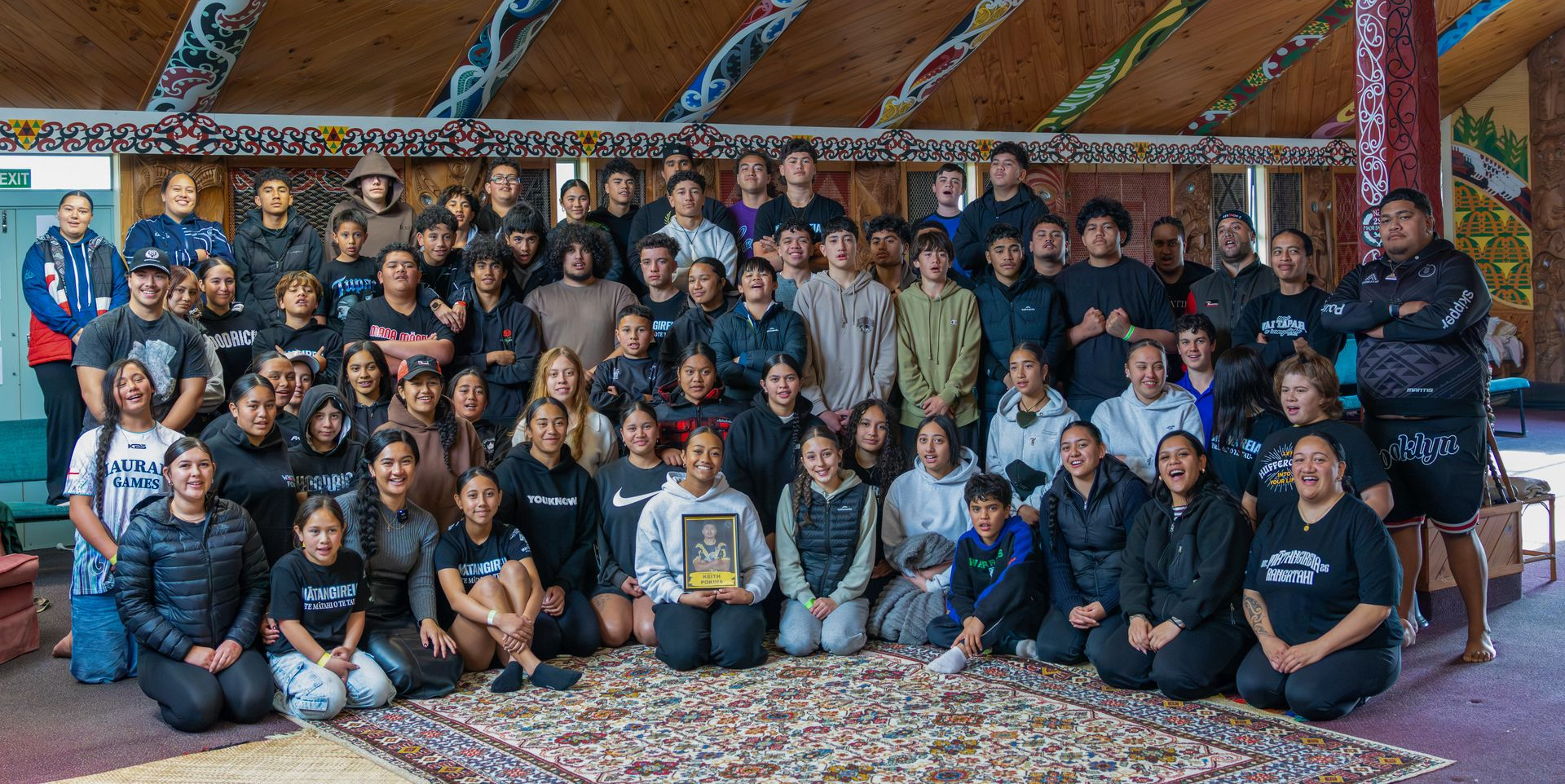
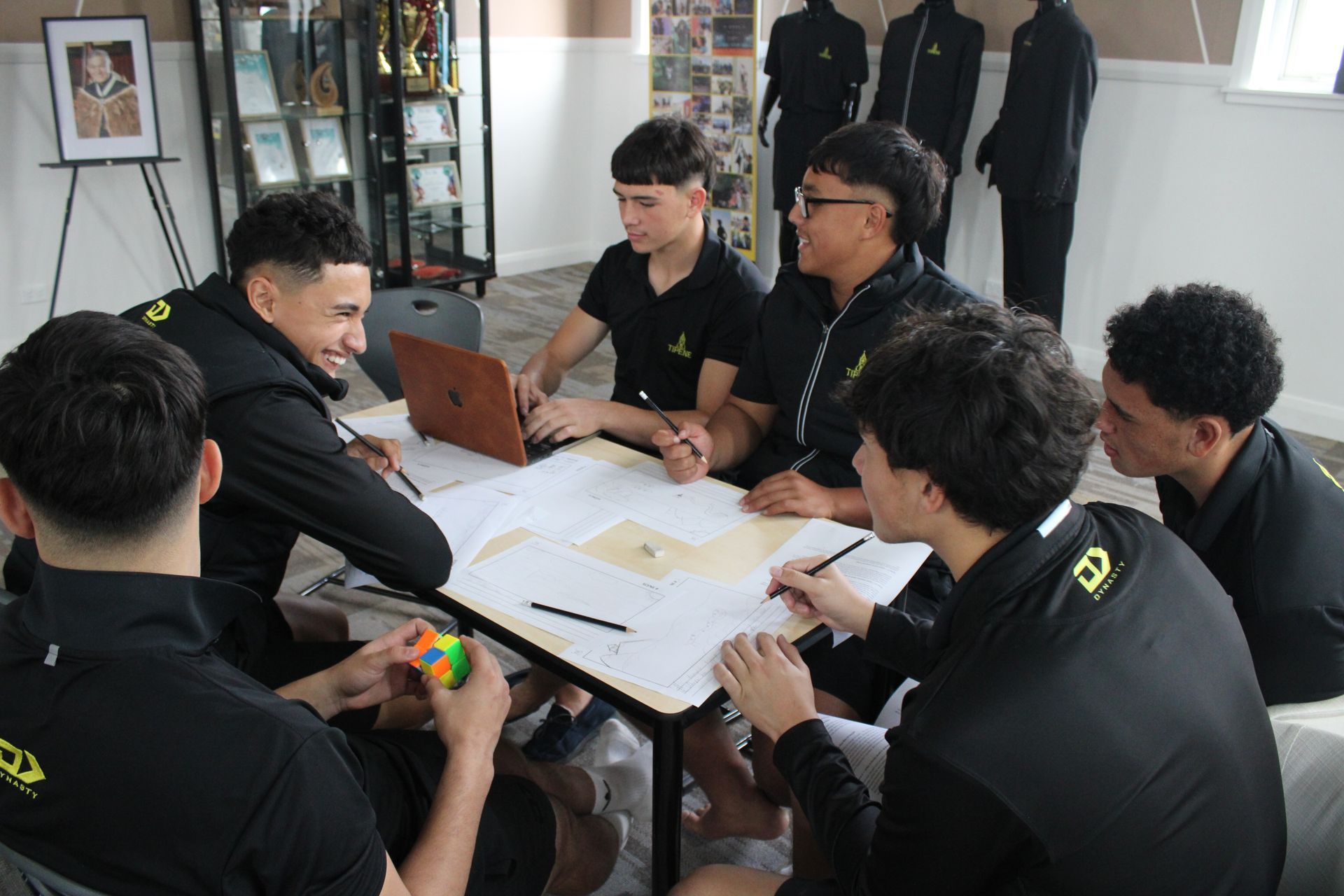
It's also a busy and exciting time for us as we prepare for our third Rangatahi Wānanga. Each wānanga has built on the last, and it's heartening to see our rangatahi growing in confidence and connection with every gathering. A huge thank you to everyone involved in the planning your mahi behind the scenes makes these opportunities possible for our young ones.
As always, our Coromandel weather this time of year can't quite make up its mind sunshine one moment, a southerly the next. Please keep warm, look out for one another, and take care on the roads over the break.
He kōrero nā te Tumu Whakarae
A note from the Chief Executive
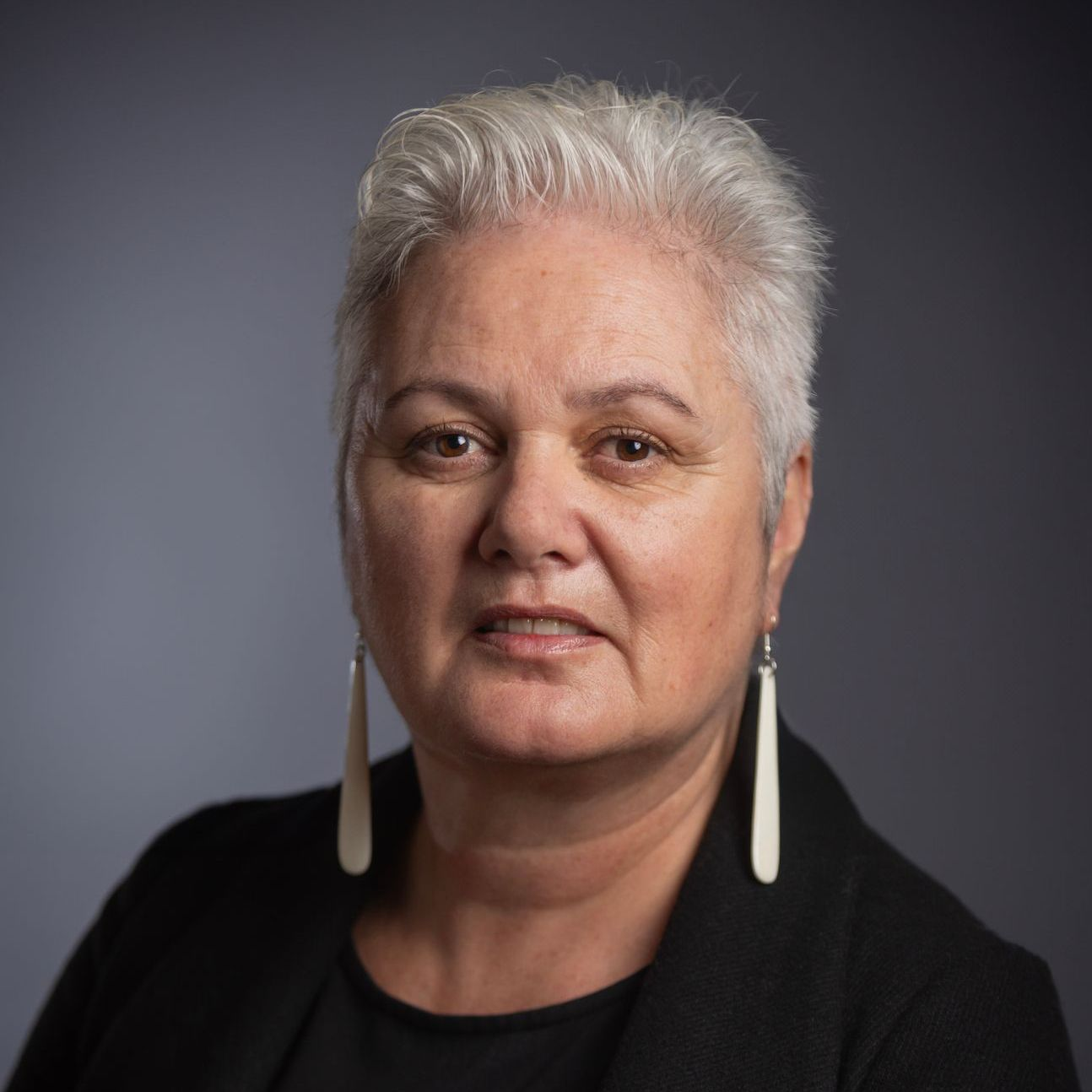
Tēnā koutou katoa,
While our Heamana has shared where we're heading, I wanted to take a moment to share some of
the mahi happening behind the scenes to get us there.
Our team has been quietly busy across every pou of our work. Our Pou Rāhui team continues to build real technical capability on the water and on the whenua, from marine science training to skipper qualifications, so that in time, it's our own people leading the monitoring, restoration and protection of our rohe moana. Alongside that, our Resource Management representatives have been out learning how to "read the land," strengthening our ability to make informed decisions about our own ngahere and taiao.
Our Rautaki 100 Tau work has also reached an important milestone this month, with the first full draft going to our Iwi Leads for review. This has been many months of listening, hui, wānanga, surveys, marae kōrero, and I want to acknowledge the team who have carried that kōrero carefully through each stage, making sure what whānau told us is genuinely shaping what comes next, rather than sitting in a report.
None of this happens without engagement, and that's been a real focus for us this period. Whether it's whānau taking part in First Aid and Psychological First Aid training, tamariki and whānau joining our Rangatahi Wānanga, or whānau giving their time to our Rautaki survey and hui, this mahi is only as strong as the whānau who show up for it. Thank you to everyone who has given their time, their whakaaro and their trust to this work.
As we move into a busier season with school holidays and our third Rangatahi Wānanga approaching, our team remains focused on the mahi that doesn't always make the headlines, the planning, the relationships, and the groundwork, so that what whānau see out front continues to grow stronger.
Ngā mihi nui,
Michelle Wilson
Tumu Whakarae

Whānau, make sure you’re following our Facebook and Instagram pages, and checking our website.
All of our latest pānui, events, and kaupapa are shared there.
The following information is in this pānui:

This section in our pānui "Whakanuia"
is to celebrate and recognise the mahi and achievements of our whānau – he uri o Tamaterā.
Got something special to celebrate?
Share your whānau mahi, achievements, or milestones with us by emailing admin@tamatera.iwi.nz.
Ngā Maunga o Tāmaki Makaurau | Pukapuka
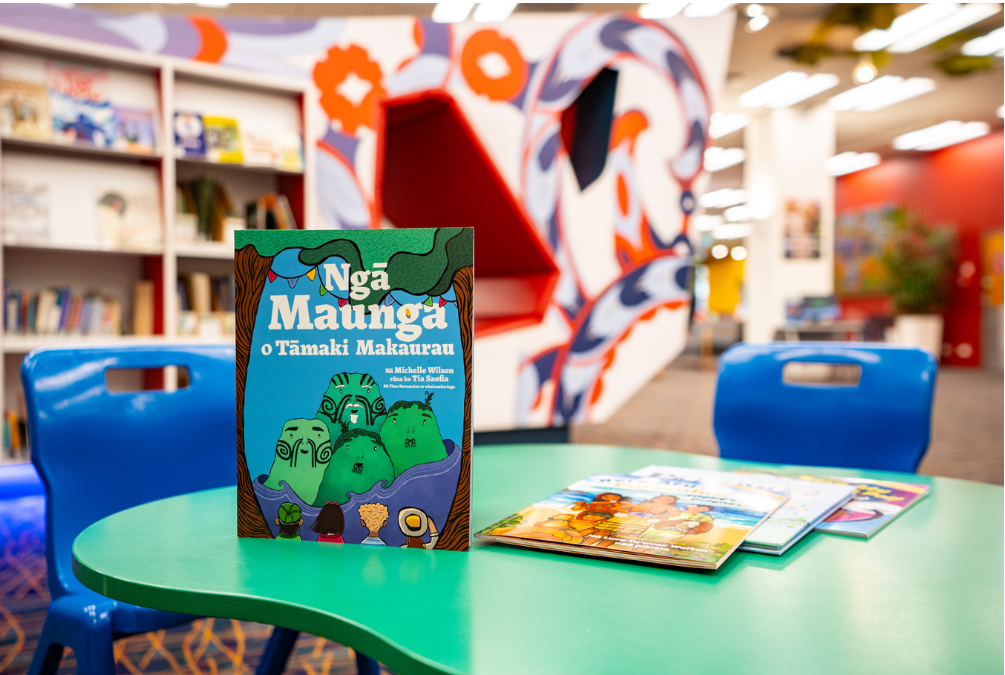
We’re pleased to announce the launch of Ngā Maunga o Tāmaki Makaurau | The Maunga of Tāmaki Makaurau, a new bilingual flipbook written by Michelle Wilson, illustrated by Tia Saofia and translated into te reo by Tane Karamaina. This beautifully illustrated pukapuka celebrates four of the ancestral maunga of Tāmaki Makaurau, inviting the audience to reflect on themes of kaitiakitanga, kotahitanga, and whanaungatanga that connect us back to te taiao.
The team brings together cultural knowledge, storytelling, and vibrant artwork that speaks to identity and connection. This pukapuka offers an accessible resource for tamariki, whānau, and communities to read and interact with.
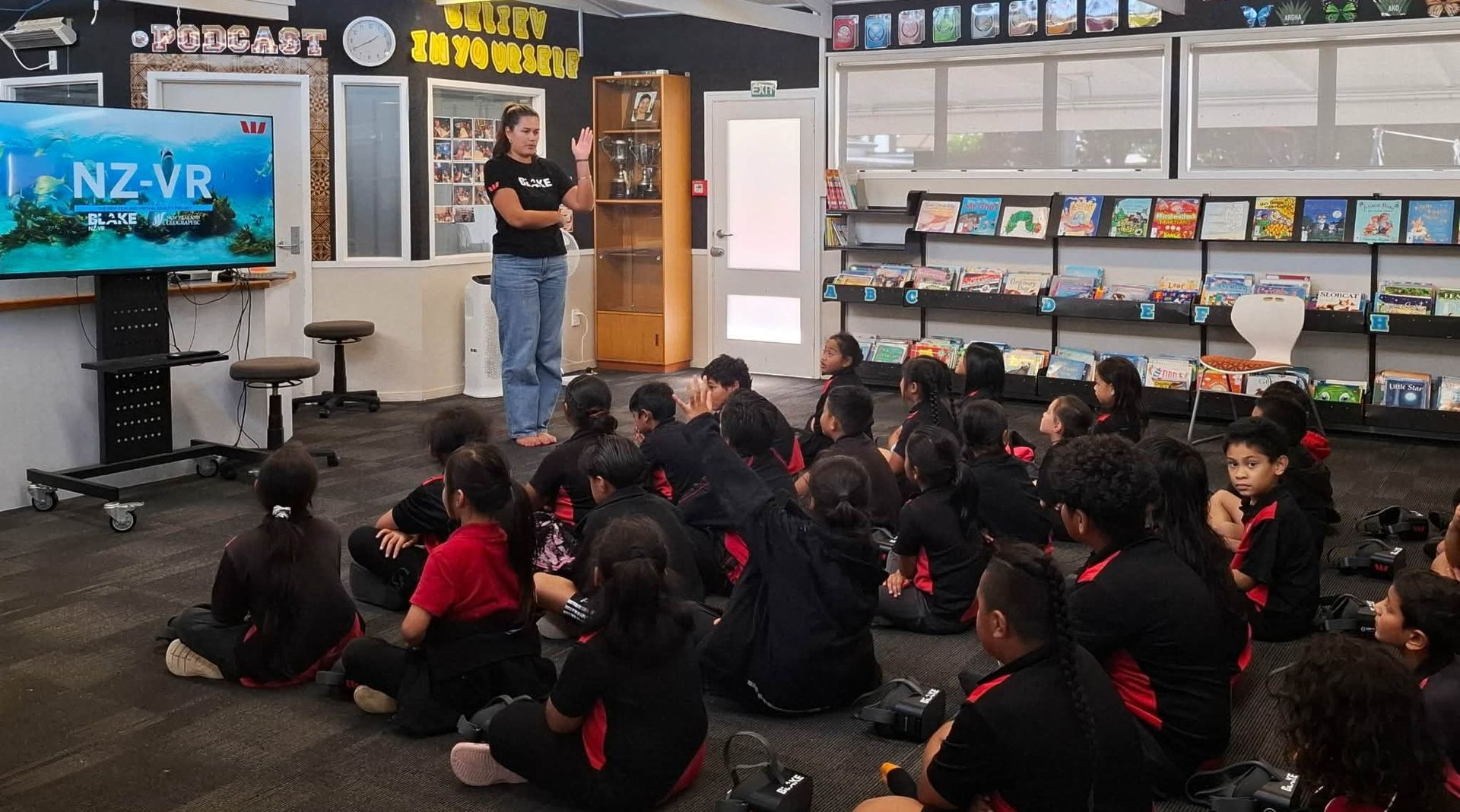
The mother-daughter duo celebrated the launch of the pukapuka at Takaanini Auckland Council Library earlier in the month. The story unfolded against beautiful visual backdrops and through two storytelling sessions delivered in English and te reo Māori. Whānau and tamariki from kura, kōhanga, schools and daycares across the area took part, engaging with the rich kōrero of Tāmaki Makaurau’s treasured maunga.
The book is available through Auckland Council Libraries and selected outlets, supporting ongoing efforts to uplift local kōrero and strengthen cultural understanding across the region.

Oranga Taiao
Te Ara Awataha - Bringing the Wai Back to Northcote
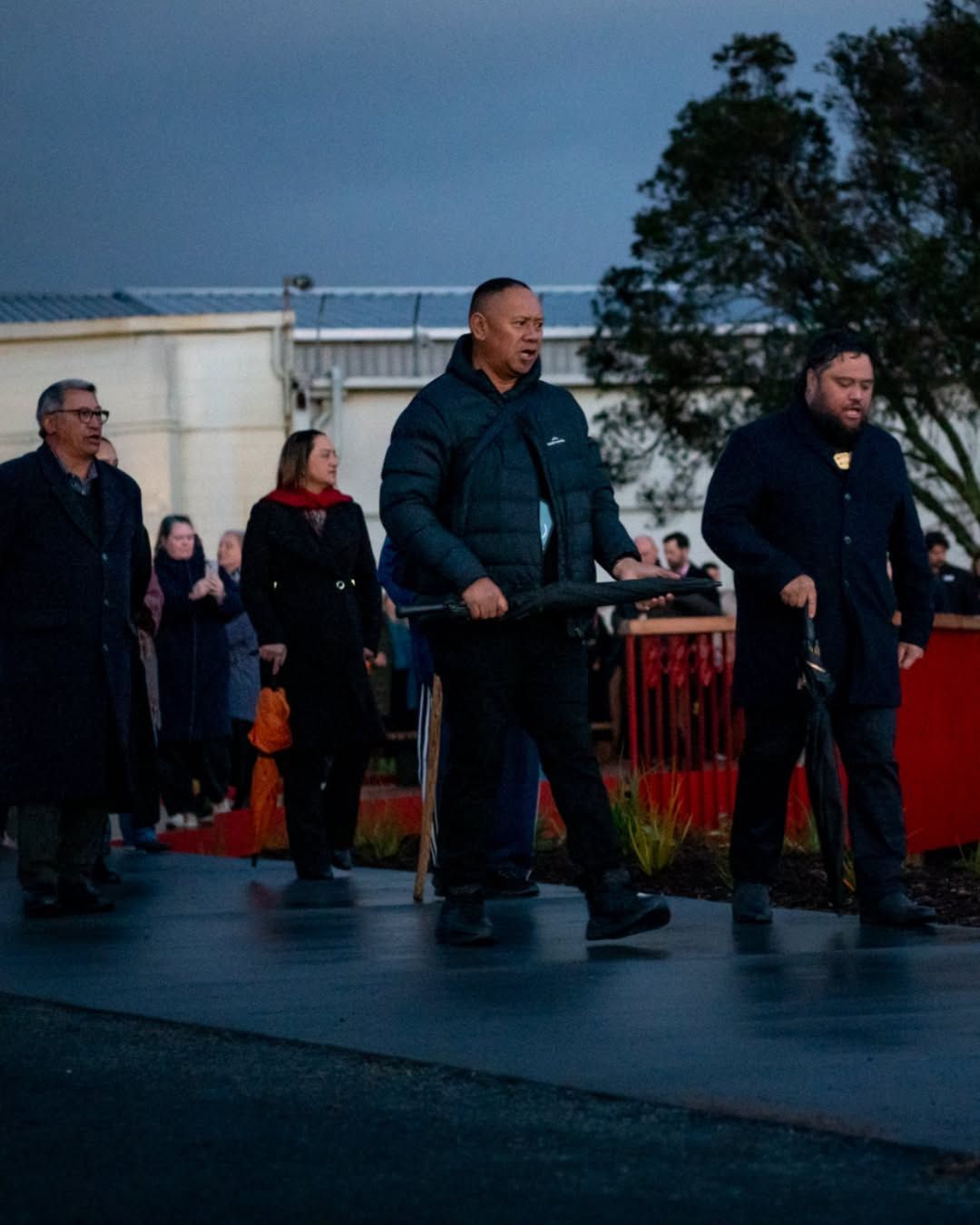
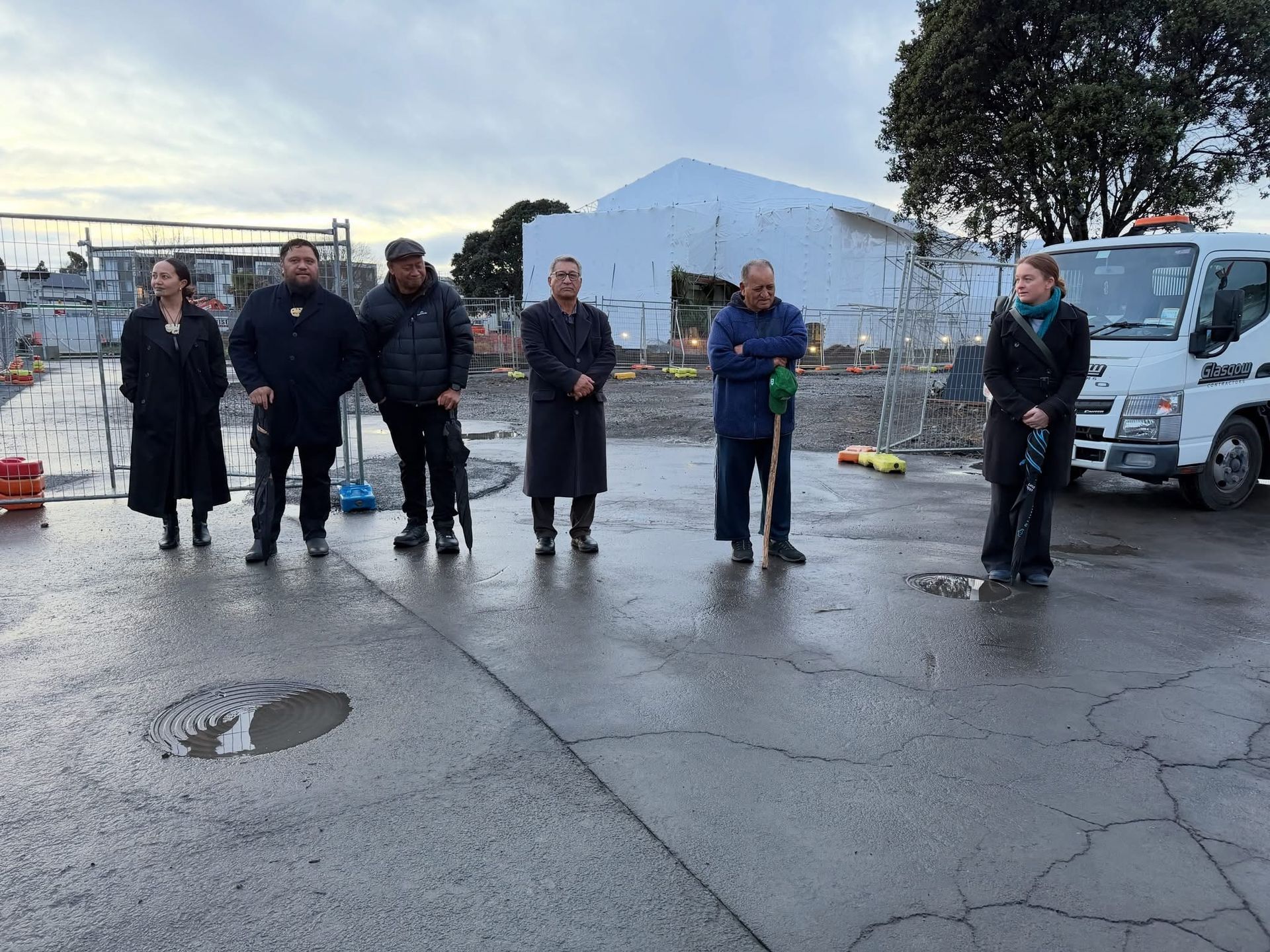
At dawn on Friday 11 September, Ngāti Tamaterā joined our Mana Whenua whanaunga and Awataha Marae to bless the completed town-centre section of Te Ara Awataha in Northcote before it opened to the public.
Representatives of Ngāti Tamaterā, Ngāi Tai ki Tāmaki, Ngāti Whanaunga and Awataha Marae participated in the karakia, led by Ngāi Tai ki Tāmaki.
Ngāti Tamaterā has been involved as part of the wider Mana Whenua Working Group, contributing cultural knowledge and environmental values throughout the project.
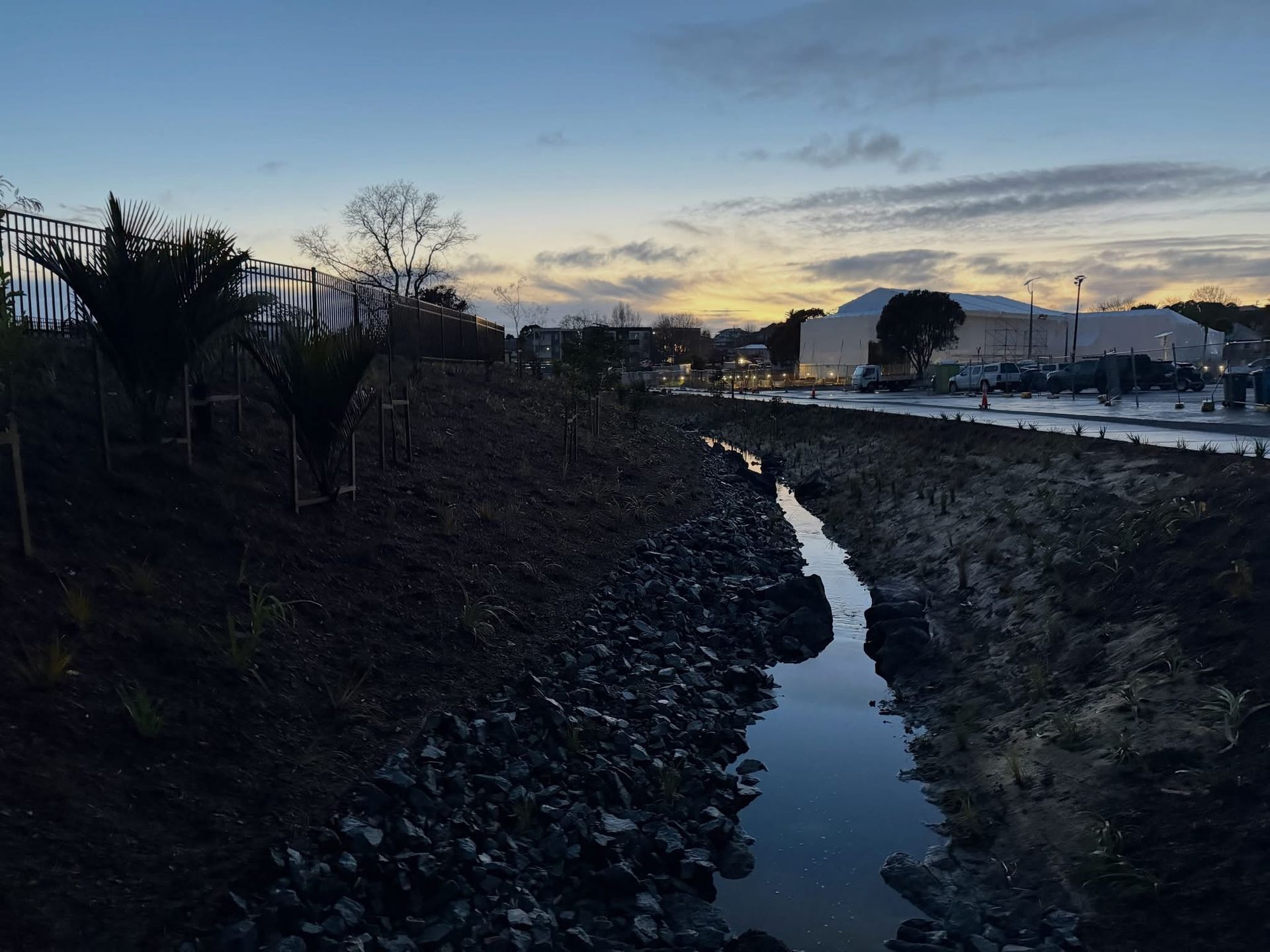
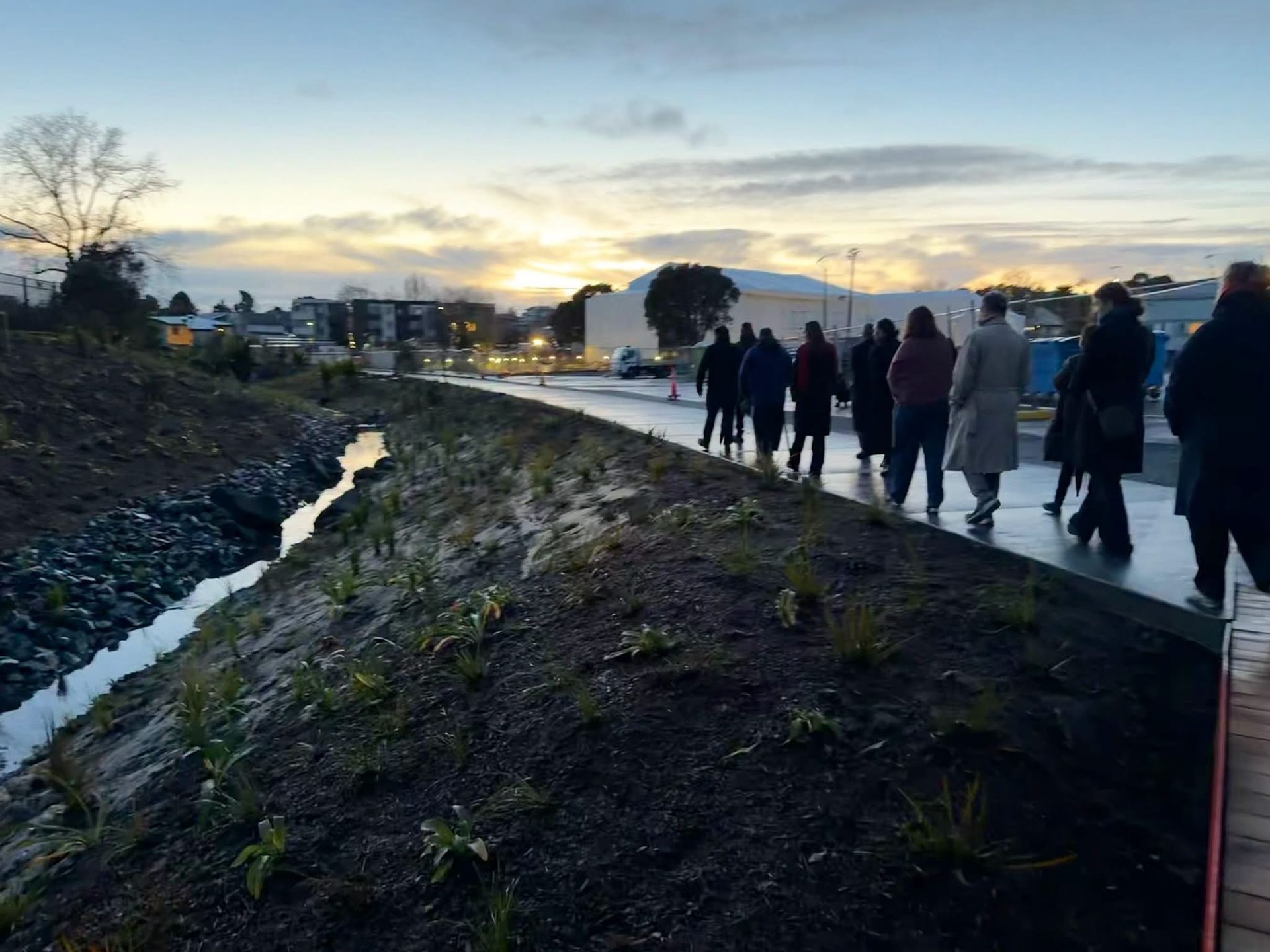
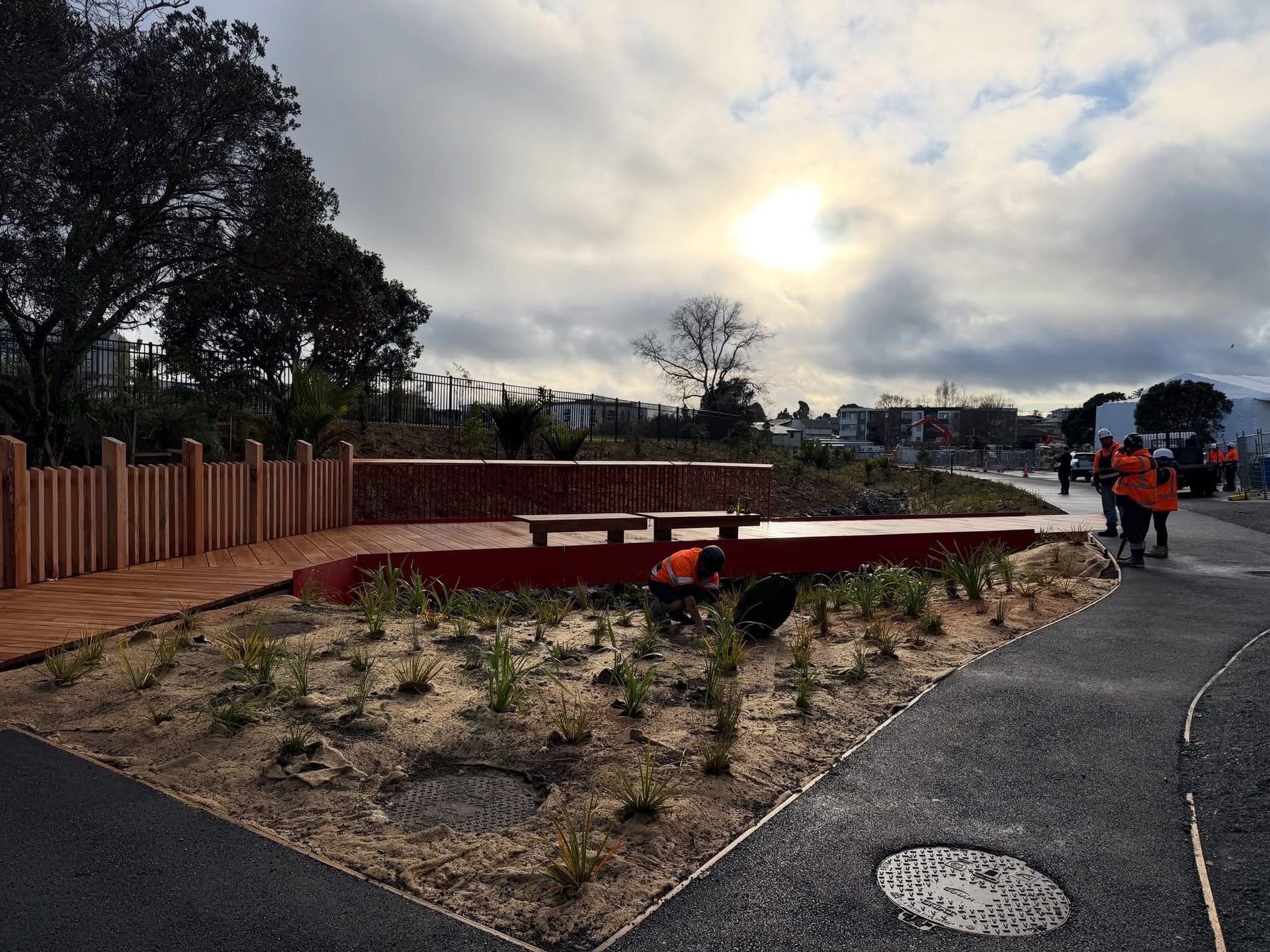
Te Ara Awataha, the path of the Awataha is a 1.5-kilometre greenway connecting Northcote's town centre, schools, homes and open spaces.
A significant feature is the “daylighting” of the Awataha Stream, bringing sections of the stream that had been piped underground back to the surface so the wai can flow visibly through the landscape again. The town-centre section also includes improved stormwater management, walking connections and more than 5,000 native plants.
The wider project brings together Mana Whenua, Auckland Council, Kāinga Ora Homes and Communities, the Kaipātiki Local Board, Awataha Marae and the local community.
For Ngāti Tamaterā, seeing the wai flowing again demonstrates why sustained Mana Whenua involvement matters, helping restore mauri, wai and native biodiversity while carrying cultural values into the finished environment.
From kōrero, to design, to whenua.
Reading the Land – Growing Our Environmental Capability
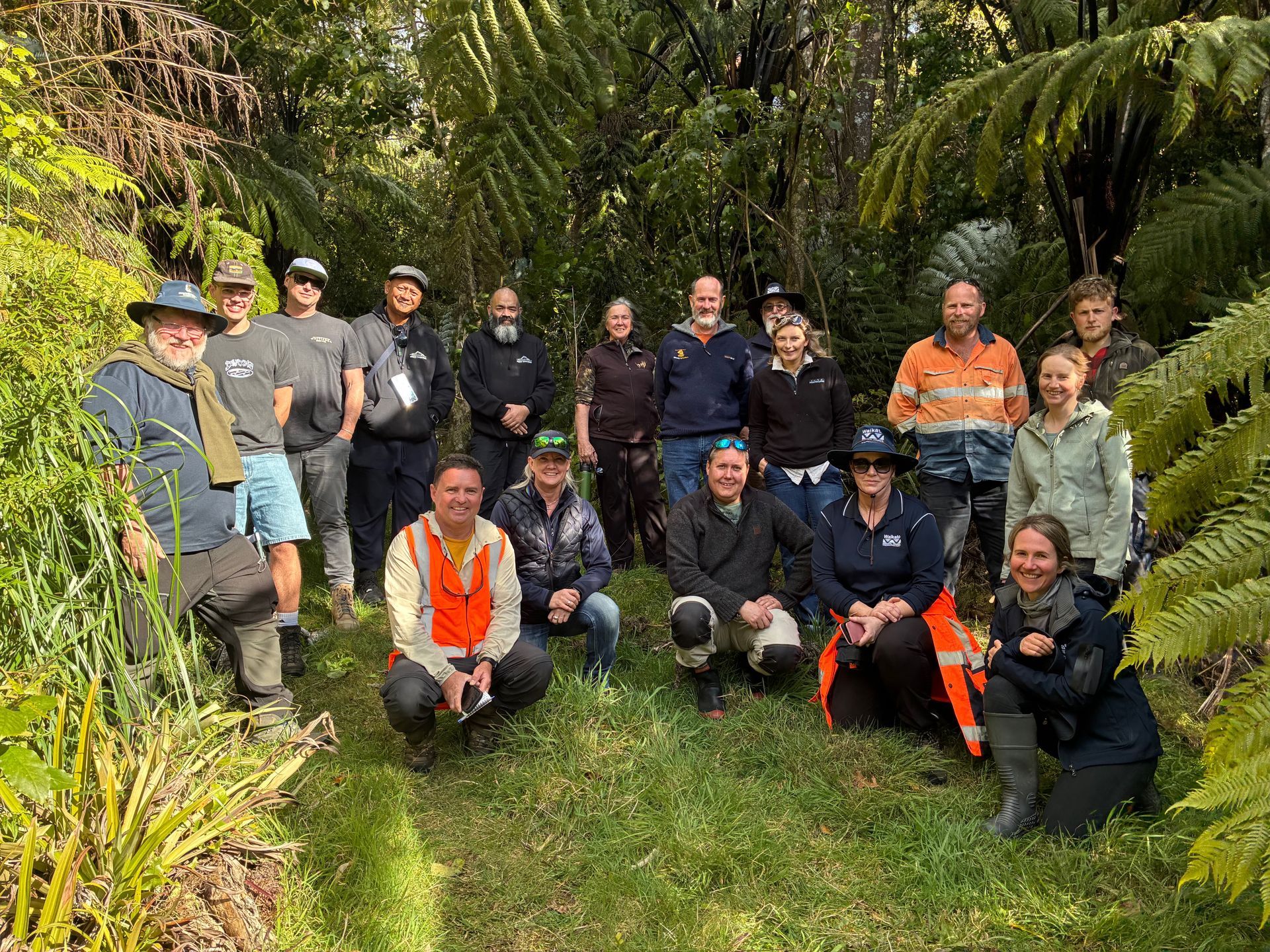
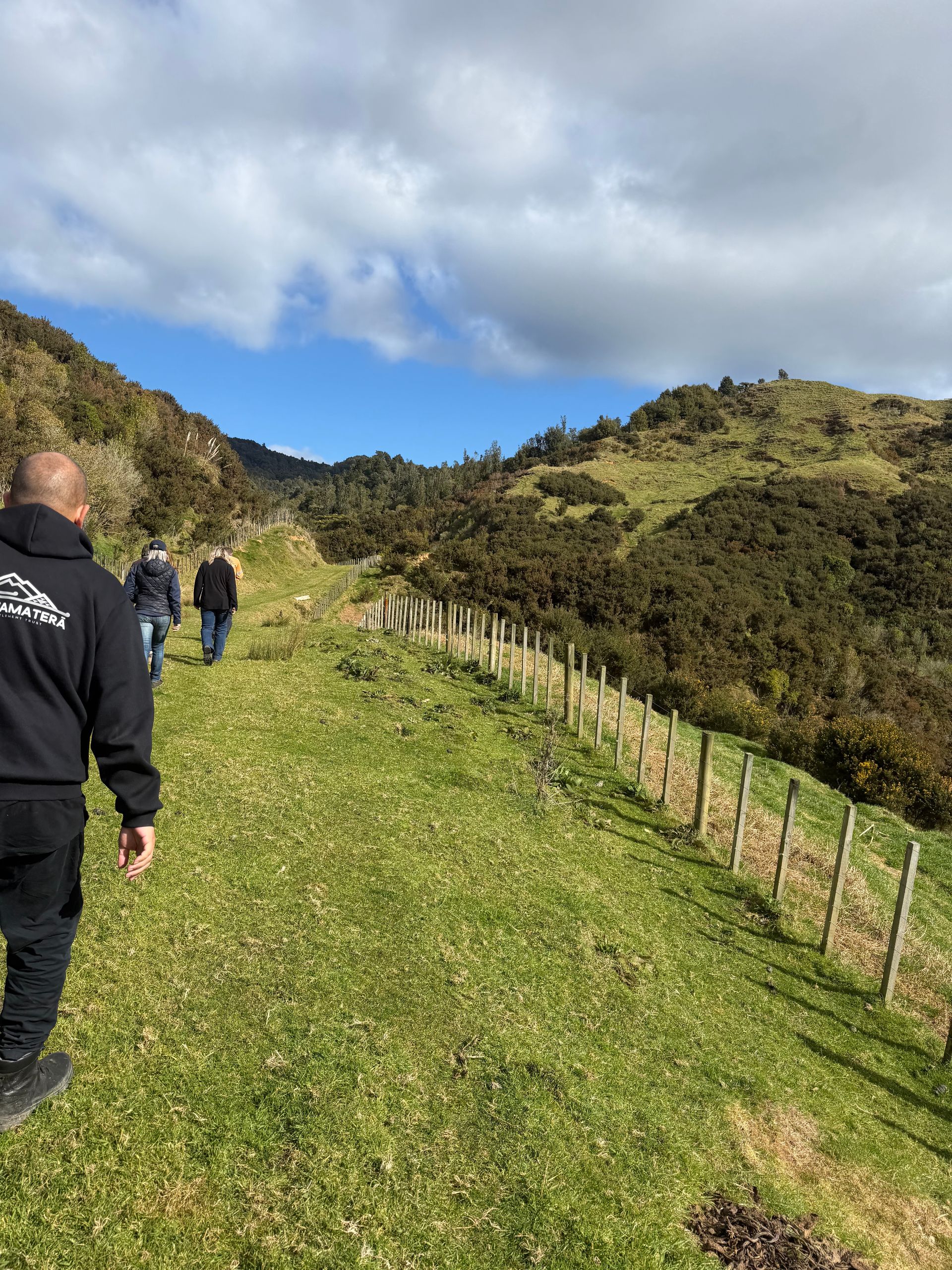
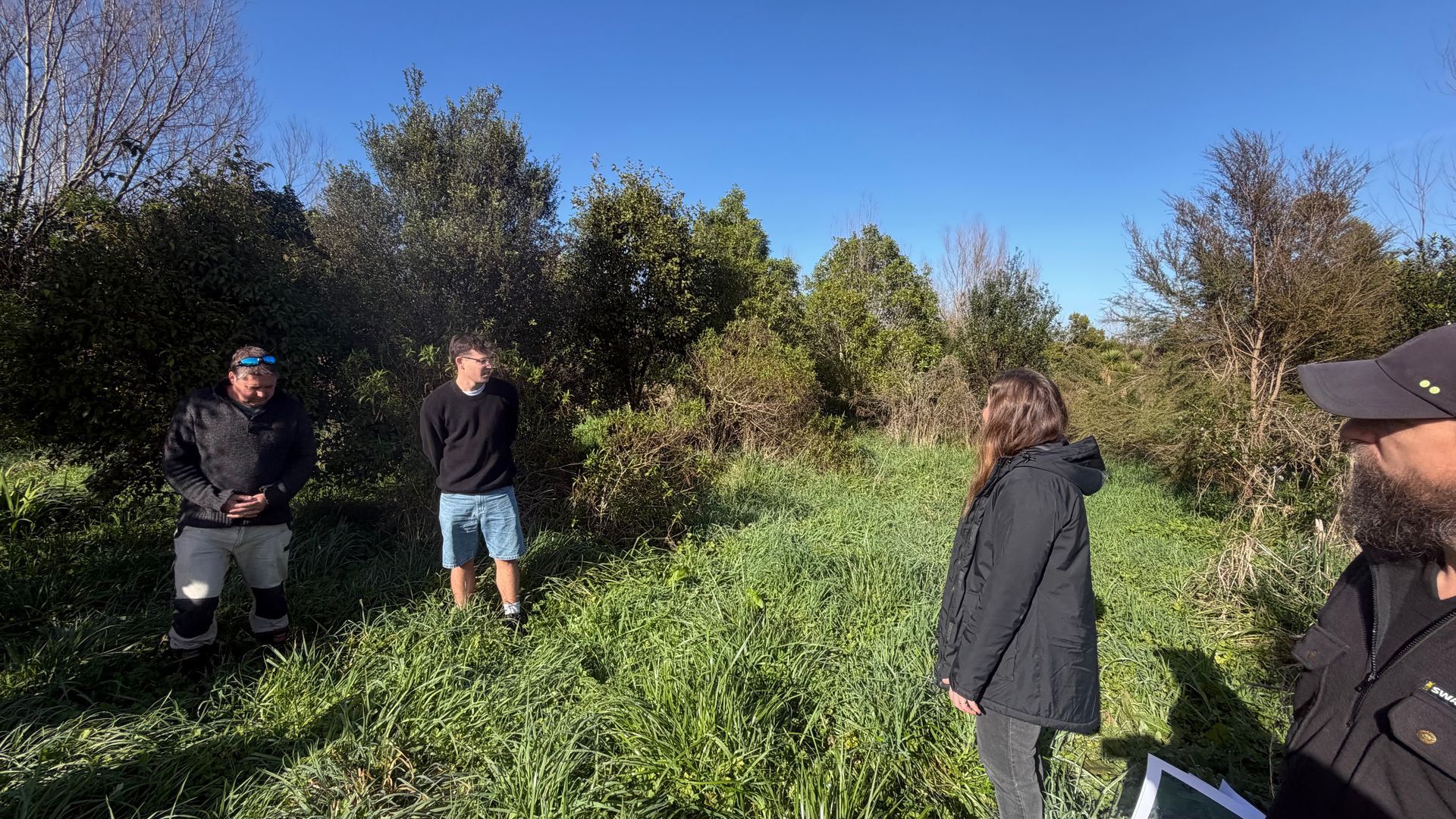
Some of our Resource Management and Pou Rāhui representatives recently took part in Reading the Land, a two-day environmental training programme held in Te Aroha.
Led by Dr Adam Forbes of Forbes Ecology Limited, the programme brought together Mana Whenua and environmental practitioners, including Waikato Regional Council and Te Uru Rākau New Zealand Forest Service.
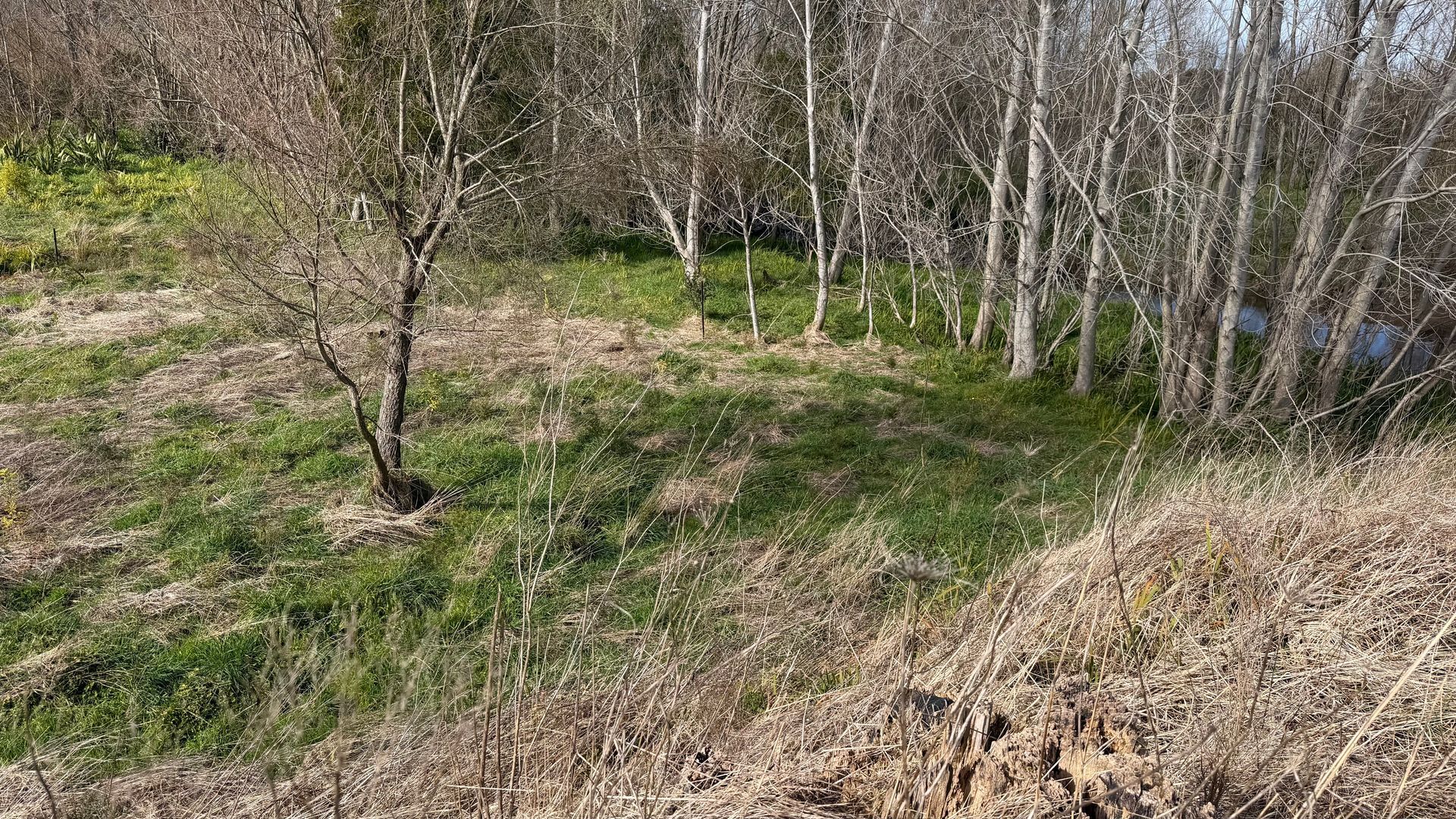
The kaupapa was about learning how to “read the land” – understanding what is happening in an area and whether native ngahere can recover naturally.
A key focus was Assisted Natural Regeneration (ANR). Put simply, this means working with nature to help native forest return, rather than assuming large-scale planting is always needed.
Participants learned to recognise issues that can prevent recovery, including invasive weeds, browsing animals eating new growth, loss of native trees that provide seed, and the impacts of previous land clearance.
Some areas may recover naturally once weeds, pests or other pressures are managed. Others may need fencing, planting or more active restoration. The training combined classroom learning with fieldwork to help participants understand these differences.
For Ngāti Tamaterā, this is about
building our own capability. Together with
our mātauranga, knowledge of our whenua and responsibilities as kaitiaki, these practical skills help us make informed decisions for
our whenua, our ngahere and te taiao.
Pou Rāhui Taiohi - Two pathways, One kaupapa
Over the past year, Ngāti Tamaterā has continued to invest in building the practical, technical and scientific capability needed to strengthen the future management, protection and restoration of our rohe moana. Through the Pou Rāhui programme, that capability is being developed across different but complementary pathways, from maritime operations and vessel safety through to marine science, ecology and restoration.
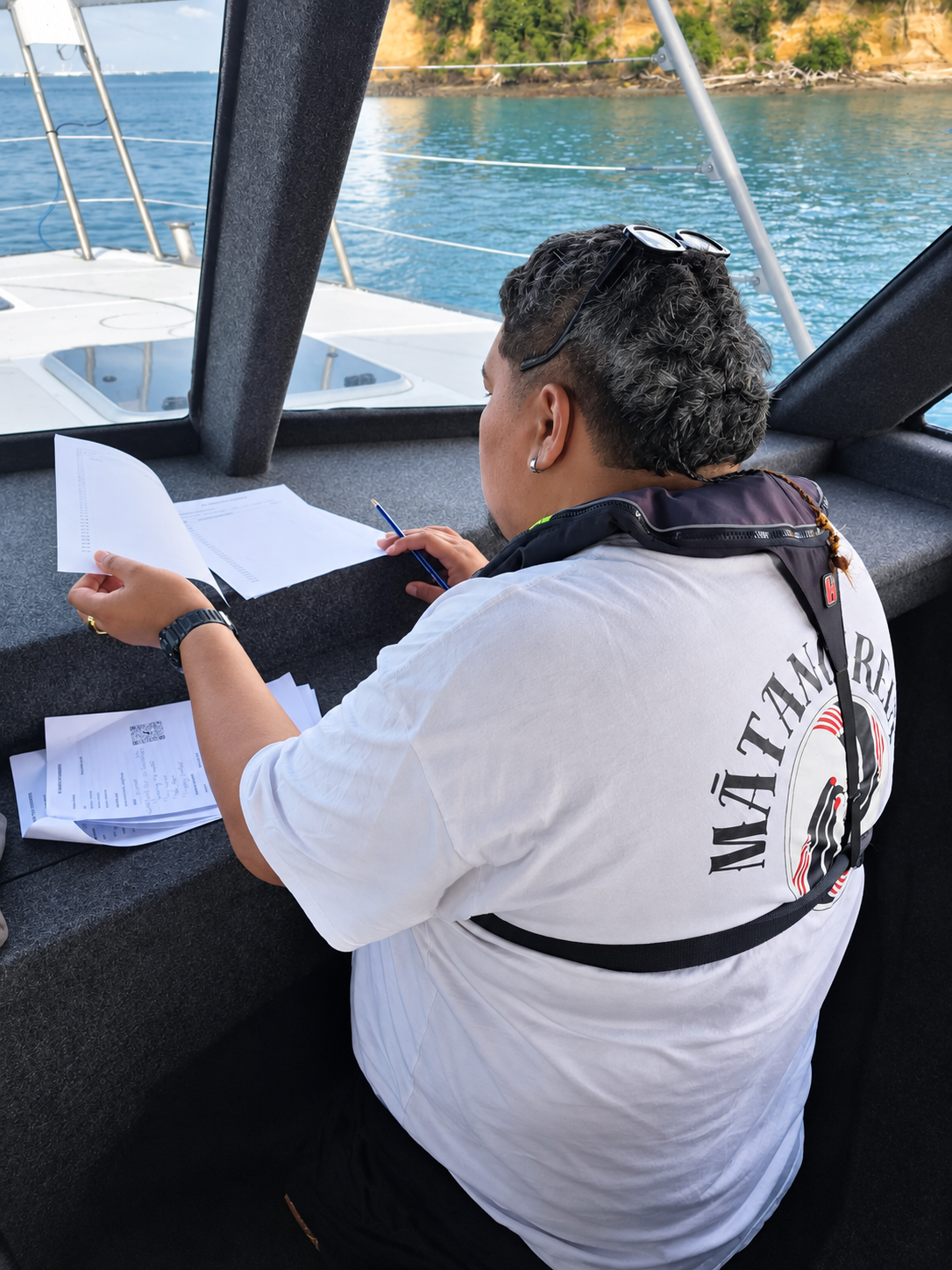
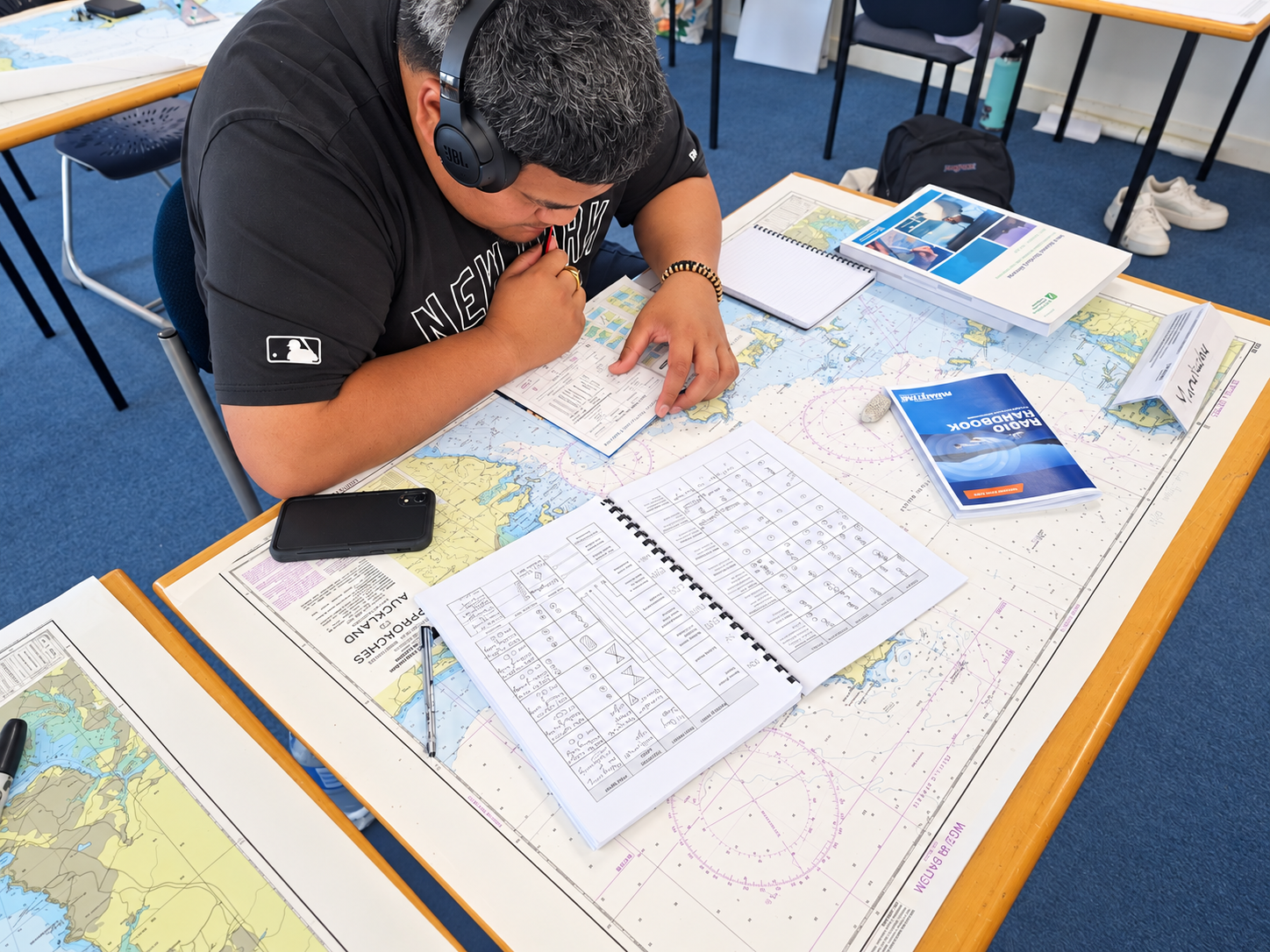
For Maru Skipper, that journey has taken him into the wheelhouse through the Skipper Restricted Limits (SRL) programme at Toi Ohomai. The course has developed his understanding of what it means to take responsibility for a commercial vessel, its crew and everybody on board.
Training has covered navigational charts, passage and route planning, position fixing and navigational awareness, along with understanding the symbols, buoys, beacons, lights and harbour features that mariners rely on when operating safely around the coast. Maru has also been developing his practical understanding of modern marine electronics, including chart plotters, GPS, radar and the safety equipment carried on board vessels.
Just as important has been learning how a skipper prepares for things going wrong. Crew safety, emergency procedures, distress communications and the correct use of equipment such as EPIRBs and SARTs form an important part of the qualification.
Together, these skills are preparing Maru to take greater responsibility for Ngāti Tamaterā operations on the water and, in time, to skipper vessels supporting our own environmental monitoring, restoration and kaitiakitanga mahi.
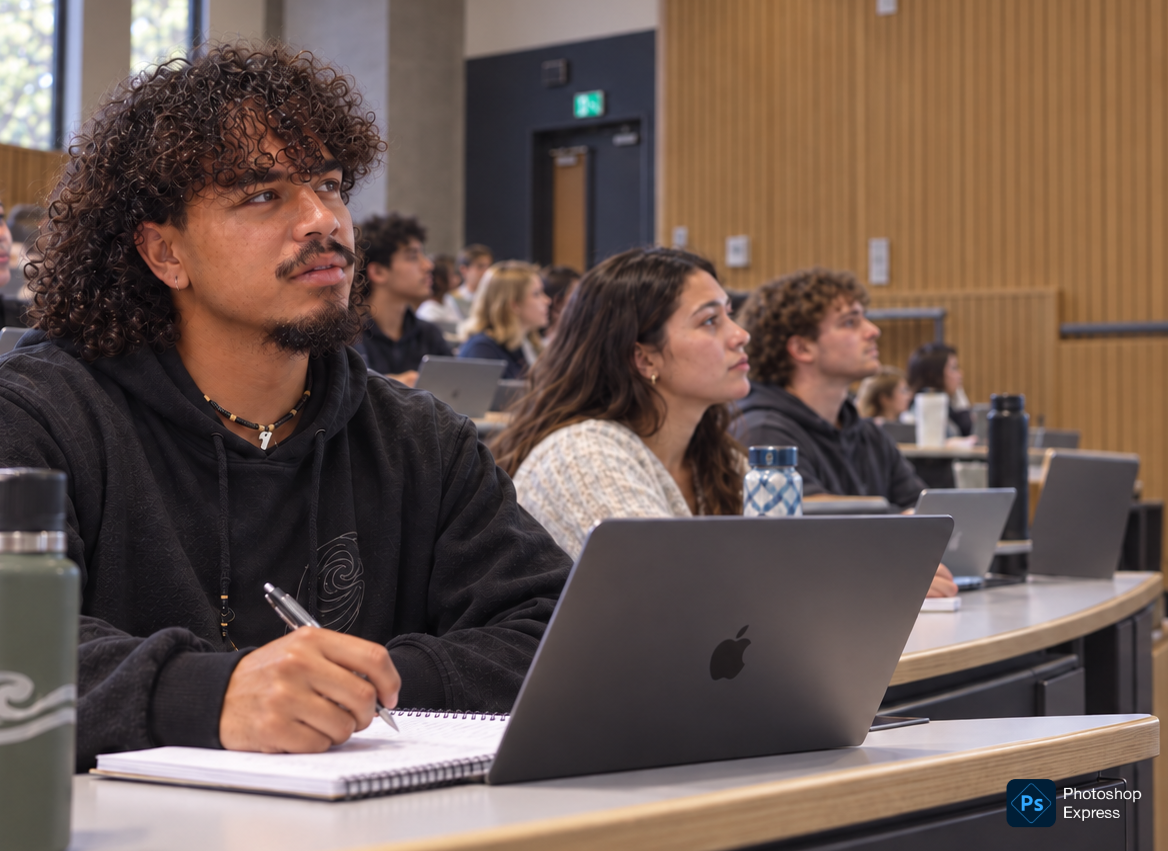
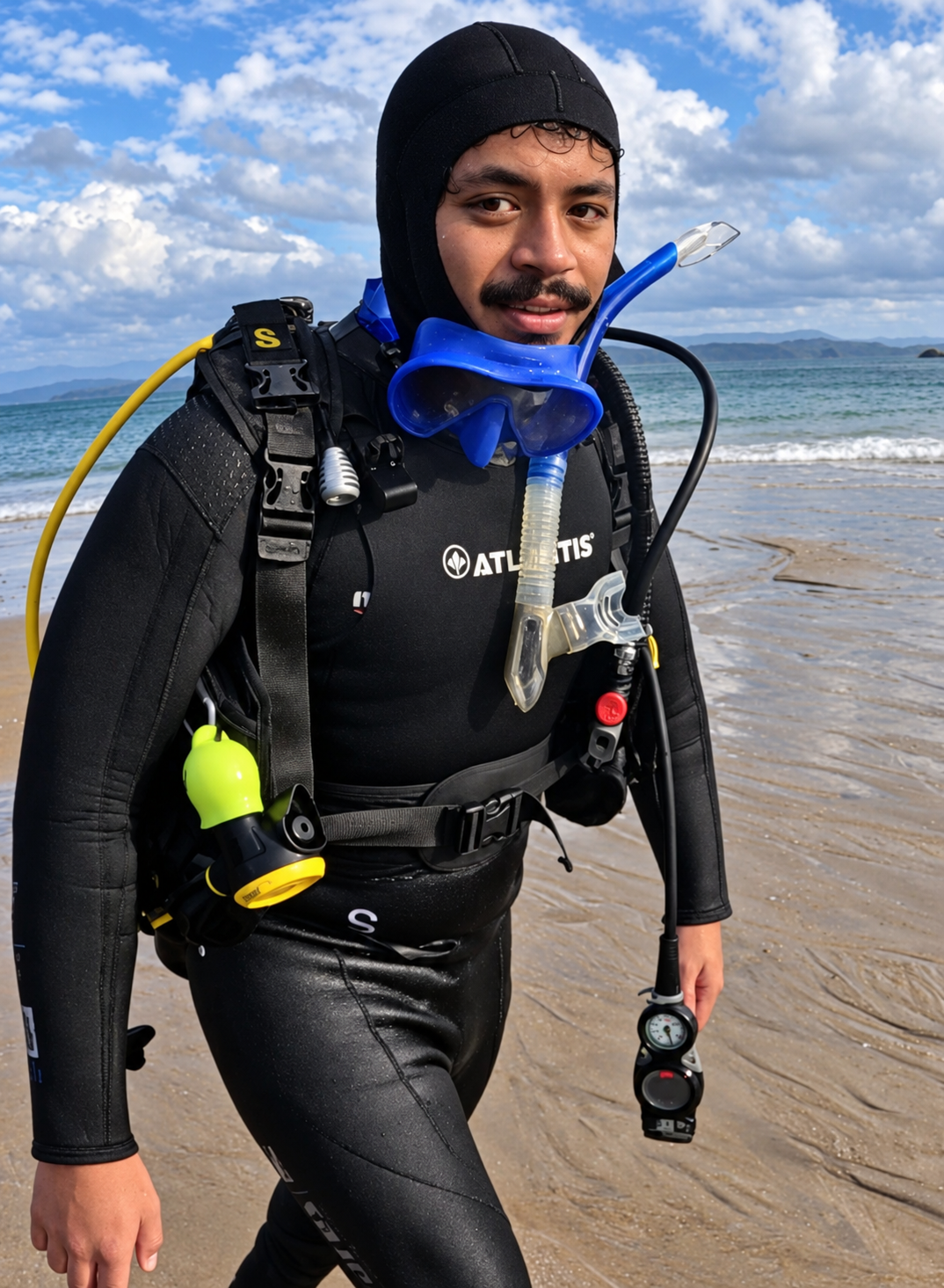
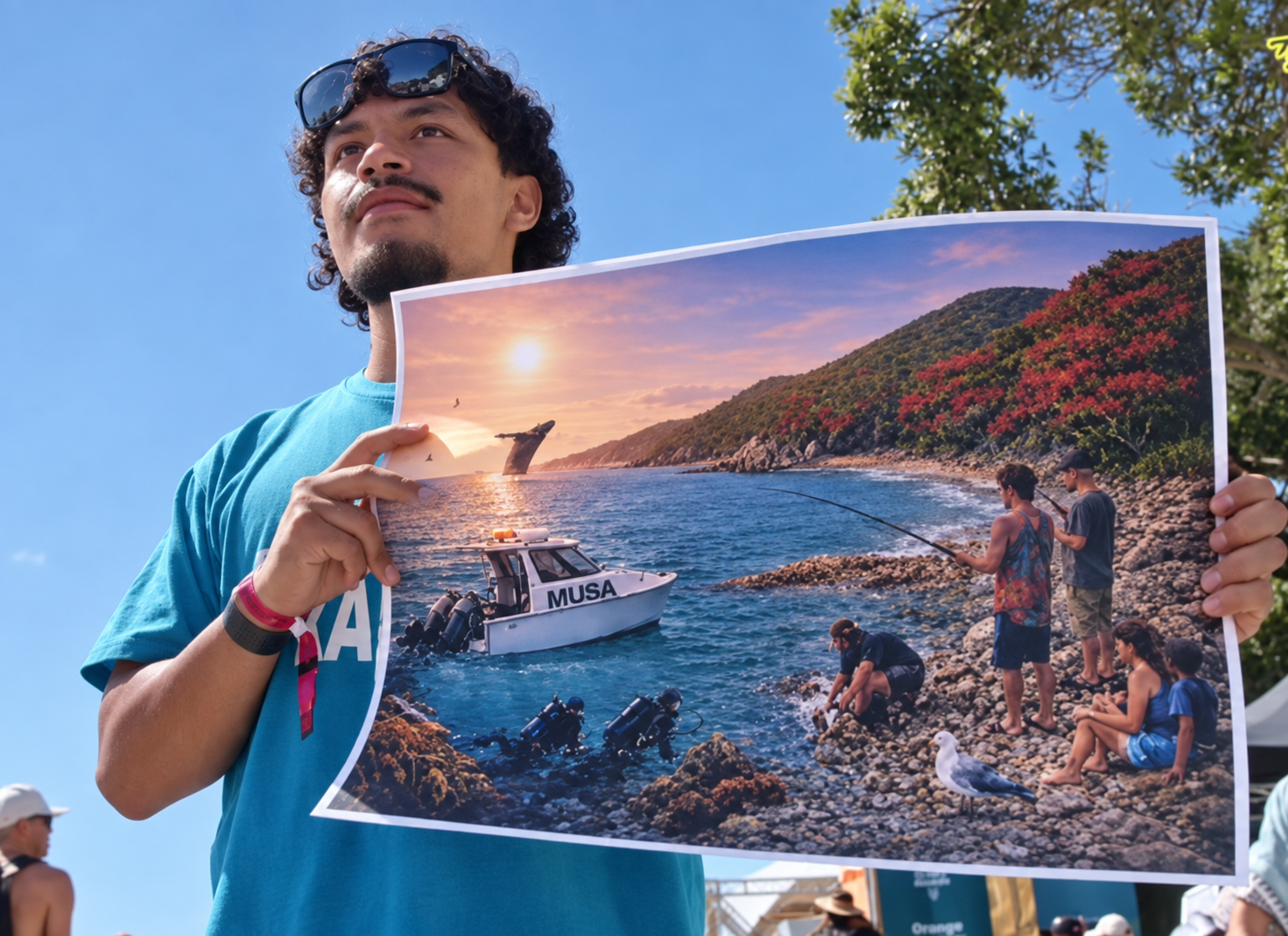
At the same time, Hoera O'Brien is completing the final year of his Bachelor of Science in Marine Science at the University of Auckland. His pathway is taking him deeper into marine biology, ecology, biodiversity and restoration, while giving him the opportunity to learn alongside scientists, researchers and other specialists working within the marine environment.
That experience includes exposure to the research community associated with the University of Auckland's Leigh Marine Laboratory, as well as engagement with marine science and cetacean research involving organisations such as Massey University and the Cetacean Ecology Research Group.
These two journeys are different, but they are moving toward the same destination.
One pathway is building the certified maritime capability required to safely operate vessels and lead people on the moana. The other is developing the scientific knowledge needed to understand, assess, and help restore marine ecosystems.
The long-term goal of Pou Rāhui is to bring these capabilities together alongside our own mātauranga Māori.
For Ngāti Tamaterā, this is not about replacing ancestral knowledge with Western science, but developing leaders grounded in whakapapa, tikanga, mātauranga, and kaitiakitanga who navigate both systems.
This training creates clear career pathways. Through the Department of Conservation's Summer Ranger Marine opportunities, Maru and Hoera can apply their skills in paid roles, gaining practical experience and networking to advance long-term careers in marine operations, conservation, and management.
Maru, Hoera, and the Mātai Moana team will keep expanding their expertise so our own people can lead the monitoring, research, restoration, and protection of our rohe moana.

Oranga Ōhanga
Rautaki 100 Tau – Where We Are Now
Over recent months, whānau have generously shared their whakaaro about the future of Ngāti Tamaterā and the legacy we want to leave for generations yet to come.
We began kanohi ki te kanohi in Paeroa in July, continued the kōrero through our online Hui-ā-Rautaki, invited whakaaro through our whānau survey, and sought input from our marae, kaumātua, advisors and iwi team. Throughout the process, we have also continued to engage with whānau and receive written feedback and direct kōrero.
Importantly, the whakaaro has been compiled and considered throughout this journey. After each stage we have brought the kōrero together, looked for areas of convergence and difference, tested what we were hearing against subsequent engagement, and continued building the evidence base for the Rautaki.
This month marks an important milestone in that process.
The first full draft of the Ngāti Tamaterā Rautaki 100 Tau will be submitted to our Iwi Leads in September for review.
The draft brings together the kōrero gathered across the engagement process to date. Strong themes have emerged around knowing who we are as Ngāti Tamaterā; strengthening whakapapa, reo, tikanga and mātauranga; restoring and protecting whenua, wai and moana; strengthening our marae and reconnecting whānau; creating opportunities for rangatahi; building sustainable prosperity and greater economic independence; supporting whānau wellbeing; and strengthening our ability to exercise rangatiratanga over our future.
We have also heard clearly that a 100-year Rautaki cannot only describe a distant future. Whānau want a visible connection between what we aspire to for our mokopuna and what we choose to do now. They want us to recognise what is already strong, understand where change is needed, build on the mahi already underway, and be able to demonstrate over time whether our collective efforts are making a difference.
What happens next?
Submission of the draft to our Iwi Leads is not the end of the process. It is the next step in the pathway we set out with whānau at the beginning of this kaupapa.
Our Iwi Leads and team will now have the opportunity to test the draft against their areas of mahi and the kōrero received. The draft will then move through governance review and further refinement before returning to whānau for the next stage of testing and feedback.
That next step matters. We want whānau to be able to see:
This is what we heard.
This is how we have interpreted it.
This is what it could mean for our future.
Have we got it right?
Only after that testing and refinement will we move toward a final Rautaki and ratification.
From the beginning, we said this would be a journey of kōrero, wānanga, synthesis, feedback and refinement. We remain committed to following that pathway rather than rushing from engagement to a finished strategy.
Ngā mihi nui ki a koutou katoa who have contributed - through our hui, online wānanga, survey, marae kōrero, written feedback and the many conversations that have happened around this kaupapa.
Your whakaaro has not been gathered simply to sit in a report. It is what the Rautaki is being built from.
He Rautaki mā tātou, mā ā tātou mokopuna, mō ngā whakatipuranga 100 tau e heke mai nei.
Ngā Pōito o te Kupenga - Business Mentorship
Through Ngā Pōito o te Kupenga, we are beginning to connect iwi business owners
and emerging entrepreneurs through a business mentorship initiative.
This kaupapa will support:
- Knowledge sharing between experienced and emerging business owners
- Practical advice on business growth and development
- Strengthening the Ngāti Tamaterā business network
Mentorship will help build capability across our business community and support whānau who are exploring enterprise opportunities.

Ngā Pōito o te Kupenga
Business spotlight
Another initiative being developed is the Ngā Pōito o te Kupenga Business Spotlight,
which highlights iwi-owned businesses and entrepreneurs.
This will:
- Celebrate the achievements of our iwi business community
- Increase visibility of Ngāti Tamaterā enterprises
- Encourage whānau to support iwi businesses
If you are a Ngāti Tamaterā business owner and would like to be featured or included in the Ngā Pōito o te Kupenga network, we encourage you to reach out - admin@tamatera.iwi.nz
Together, these initiatives are helping to strengthen our iwi business ecosystem and support whānau to participate in the growing economic opportunities across our rohe.
Business Spotlight

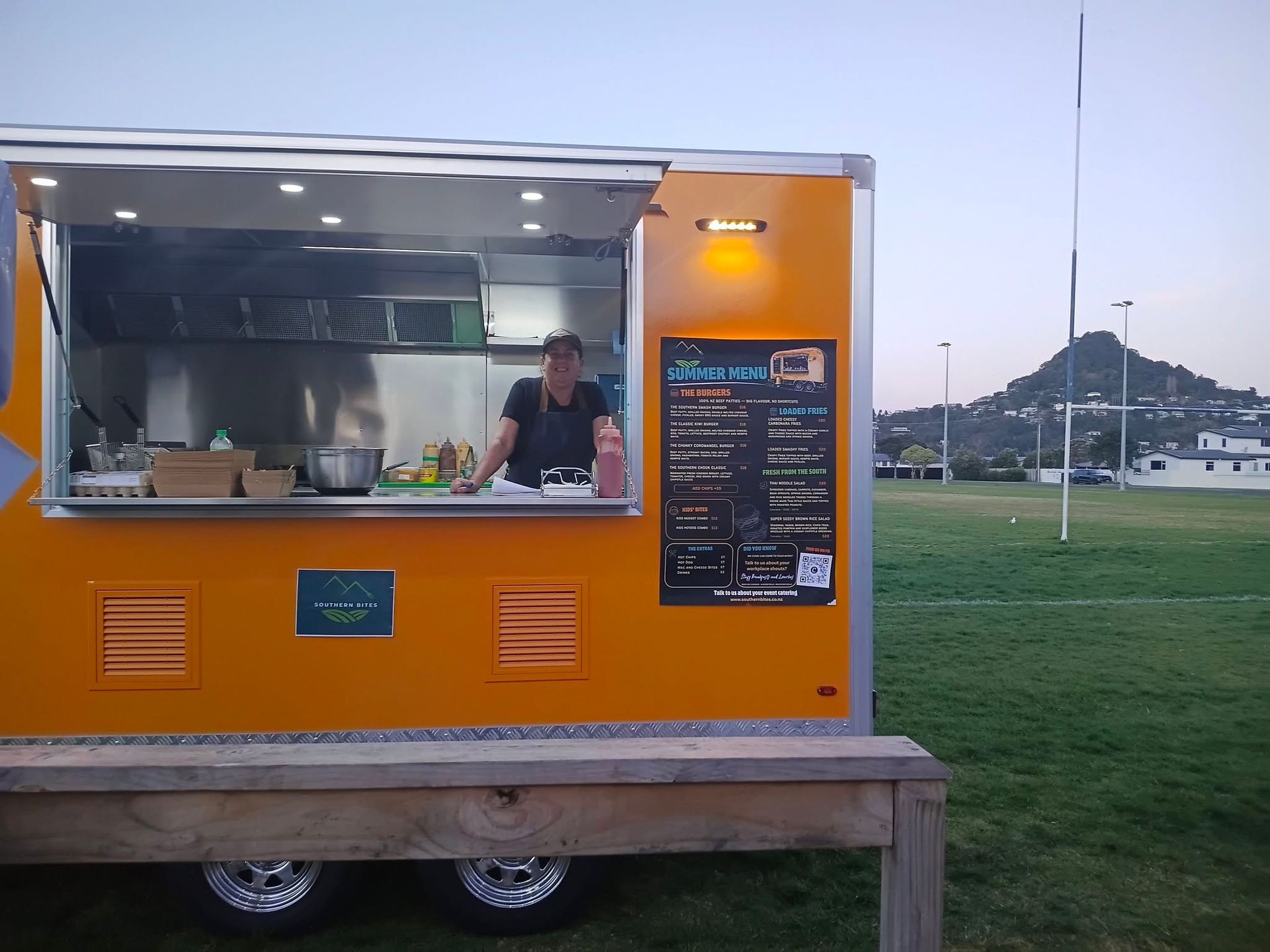
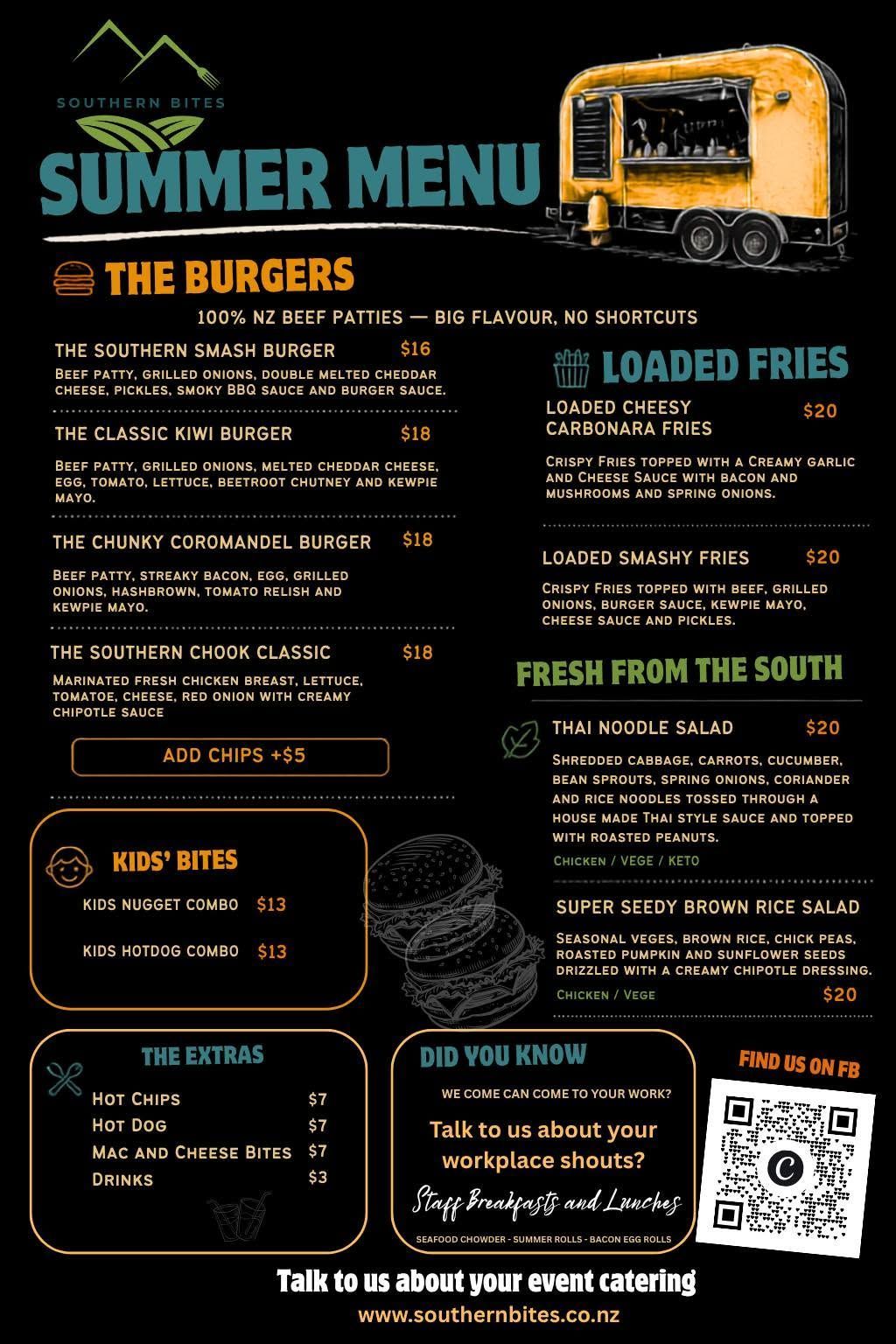
Southern Bites
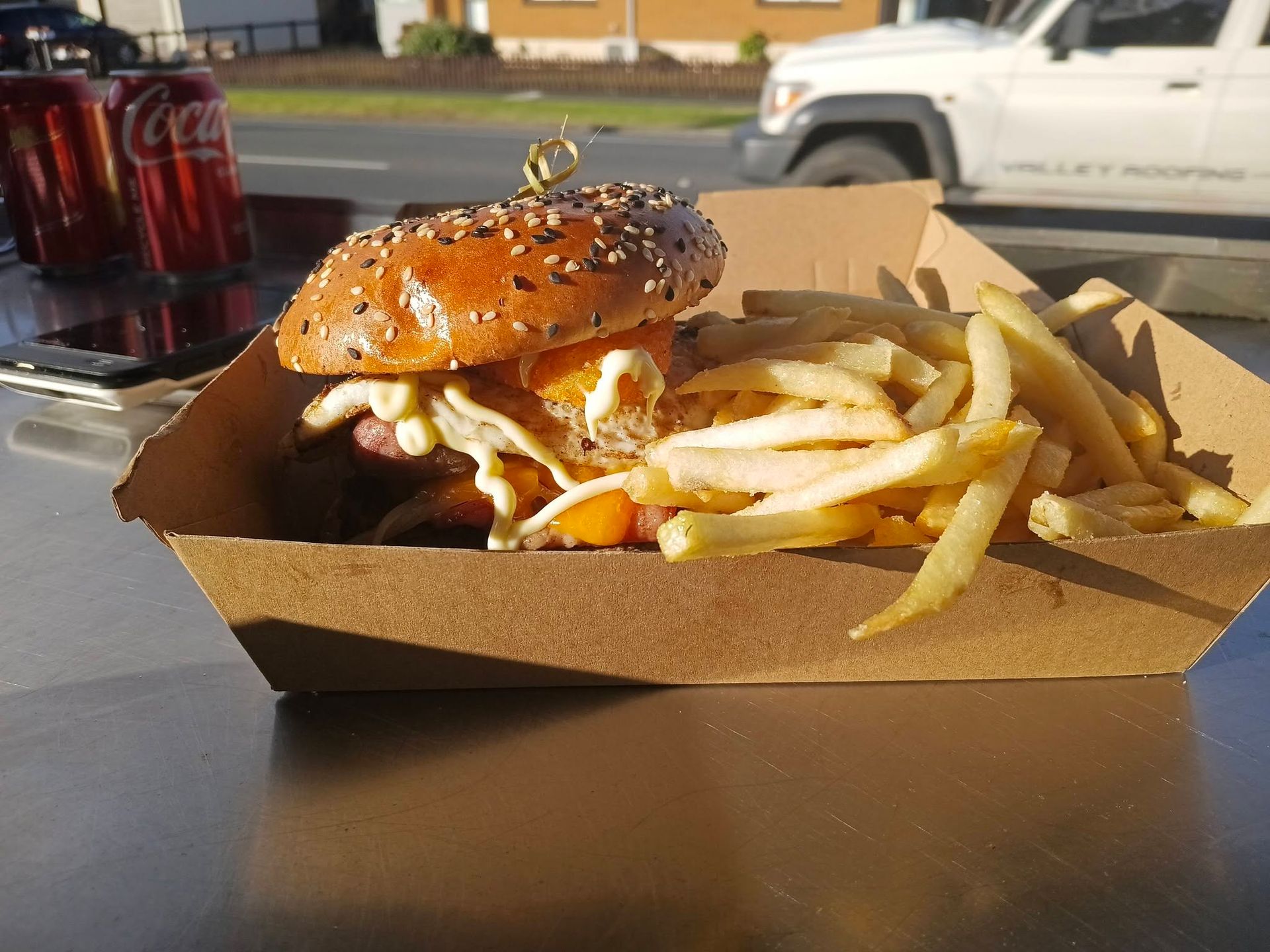
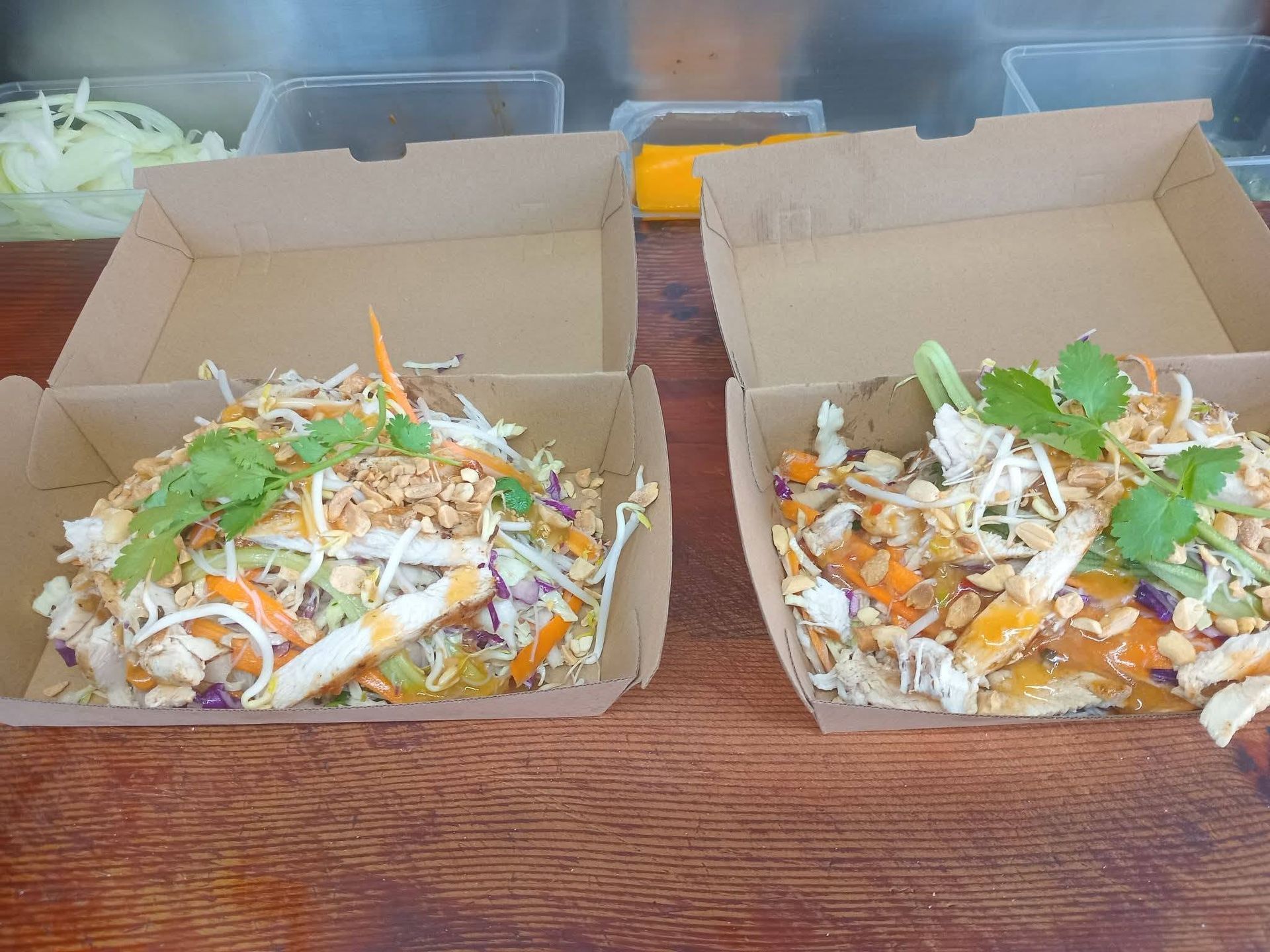
Serving delicious 100% fresh Beef, Lamb, Venison Homemade Burgers, salads, summer rolls, chowder, chips, kids combos etc all around the Coromandel and Hauraki District. Sports Events, Weddings, Birthdays not a problem just flick us a message!
Contact info: bedfordmarcia@hotmail.com | +64 27 254 5835

Oranga Whānau
Ngāti Tamaterā Treaty Settlement Trust Iwi Membership Registrations
Kia ora e te whānau!
A friendly reminder to register with the Ngāti Tamaterā Treaty Settlement Trust. By registering, you’ll:
- Have your say in trustee elections and voting on key kaupapa
- Access information, resources, and updates directly for whānau and marae
- Ensure your whakapapa is connected and recognised within the iwi register
- Be part of shaping the future of Ngāti Tamaterā through a strong collective voice
It only takes a few minutes to register – and your registration ensures you and your whānau can fully benefit from the mahi of the Trust.
General Elections 2026 – Our Voice, Our Future
In 2026, Aotearoa heads to the polls on the 7th of November, and our voice matters.
General elections shape the decisions that affect our whānau every day: housing, education, environmental protection, employment, health, and the future of Te Tiriti partnerships. These policies influence funding for kura, support for rangatahi, protection of our taiao, and the wellbeing of our kaumātua.
Voting is more than ticking a box, it is a way to honour those who came before us and to shape the world our tamariki will inherit. Whether you are voting for the first time or have voted many times before, your participation strengthens our collective influence.
Make sure you are enrolled, informed, and ready.
When we vote, we show up for our whānau, our whenua, and our future.
First Aid Training
Building whānau preparedness together
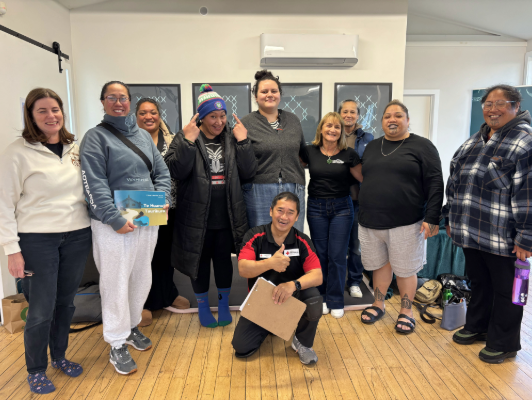
Ngāti Tamaterā Treaty Settlement Trust and Ngāti Pāoa Iwi Trust recently partnered with Auckland Emergency Management to provide First Aid and Psychological First Aid training for our iwi whānau, with the courses delivered by New Zealand Red Cross.
Ten learners completed the First Aid course, while 13 took part in Psychological First Aid training. The wānanga strengthened practical response skills, increased understanding of the psychosocial impacts of emergencies and created a supportive space for whānau to learn together.
Participants spoke positively about the opportunity to connect, strengthen their whakapapa relationships and take their learning home to their whānau.
This kaupapa is part of our ongoing commitment to strengthening whānau preparedness, connection and resilience across our iwi.